What 25 Years in Web Development Taught Me About AI-Assisted Coding
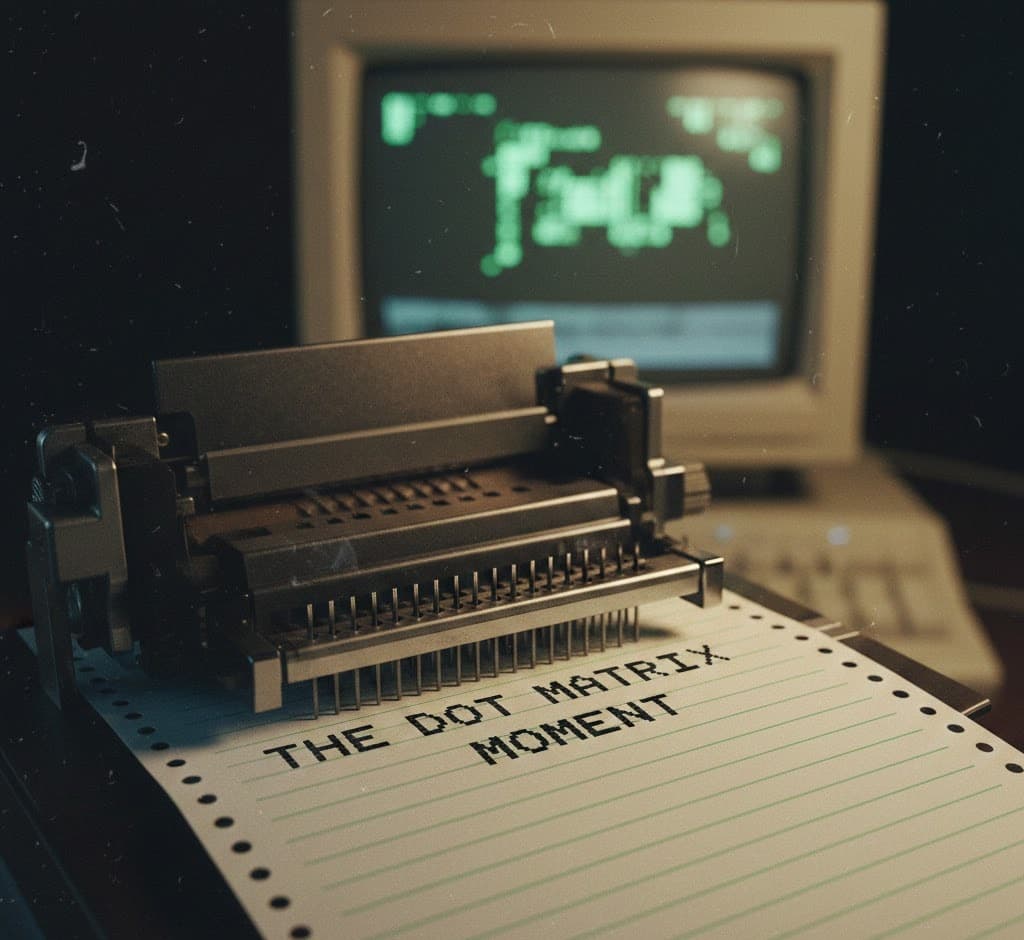
In the mid-1990s, I knew a dot matrix printer repair technician. Skilled guy, made good money. When laser printers emerged, he made a bet: dot matrix would stick around. It wasn't worth learning a new technology.
He was wrong. And I never forgot that lesson.
Why That Story Matters Now
I've been building web applications since the late '90s. Started with HTML and Perl, moved through ColdFusion and PHP, eventually led development teams and worked directly with clients on strategy and architecture.
When people talk about AI replacing developers, I hear echoes of "desktop publishing will replace graphic designers" or "website builders will replace web developers." Some changes eliminate jobs. Others just change how the work gets done.
AI-assisted development is the latter. And I spent the last few months proving it.
What I've Learned in the Trenches
Since December, I've been deliberately using Claude Code on real client projects. Not demos. Not toy apps. Actual production work that clients are paying for and depending on.
Here's what I've discovered:
The technology is further along than most people realize. I've delivered projects in days that would have traditionally taken weeks. The quality is solid when you know what to look for.
Experience matters more now, not less. AI can generate code, but it can't:
- Figure out what the client actually needs
- Make architectural decisions that won't become technical debt
- Know when something looks right but will cause problems at scale
- Balance tradeoffs between speed, security, and maintainability
My 25 years of pattern recognition — knowing what good looks like, what will break, what clients will regret in six months — that's more valuable than ever.
The bottleneck has shifted. It's not "how fast can we type code?" anymore. It's "how clearly can we define the problem and evaluate the solution?"
What This Means Practically
I'm delivering client projects faster and with more iteration cycles. When a client wants to test different approaches to a feature, I can prototype three options in the time it used to take to build one.
Does this mean I'm replacing developers with AI? No. It means I'm being more strategic about where human expertise adds value and where AI can handle the repetitive or well-understood work.
The projects I'm taking on look different than they did six months ago. Some I can deliver solo with AI assistance. Some still need experienced developers for complex legacy work or specialized integrations. I'm learning to tell the difference.
The Bigger Picture
Here's what I think is happening in our industry:
Junior developers are in trouble. If your value is primarily typing out code that follows known patterns, AI can do that now. That's not ageism or gatekeeping — it's reality.
Experienced developers are in high demand. If you can architect systems, evaluate code quality, understand business context, and make good technical decisions — you're more valuable than ever. AI amplifies what you can deliver.
Non-technical people can build things. I'm watching someone with no coding background learn to direct AI to build functional applications. The barrier to entry just dropped dramatically.
The market is going to be weird for a while as everyone figures out what these shifts mean.
What I'm Doing About It
I'm taking on projects that six months ago I would have turned down because they weren't worth the investment. Now they're viable because AI changes the economics.
I'm being selective about what I commit to. I have several months of real-world experience, but I'm not pretending to be an expert in something that's evolving weekly.
And I'm having honest conversations with clients about what this means for them. Some are excited about faster delivery. Some are nervous about AI-generated code. Both reactions are reasonable.
The Dot Matrix Lesson
That printer repair tech had a choice: learn the new technology or become obsolete. He chose obsolescence.
I'm making a different choice.
Not because I'm worried about survival — but because I saw an opportunity early and I'm capitalizing on it.
If you're building web applications, managing development teams, or trying to figure out how AI fits into your technical strategy — let's talk. I'm happy to share what I'm learning.